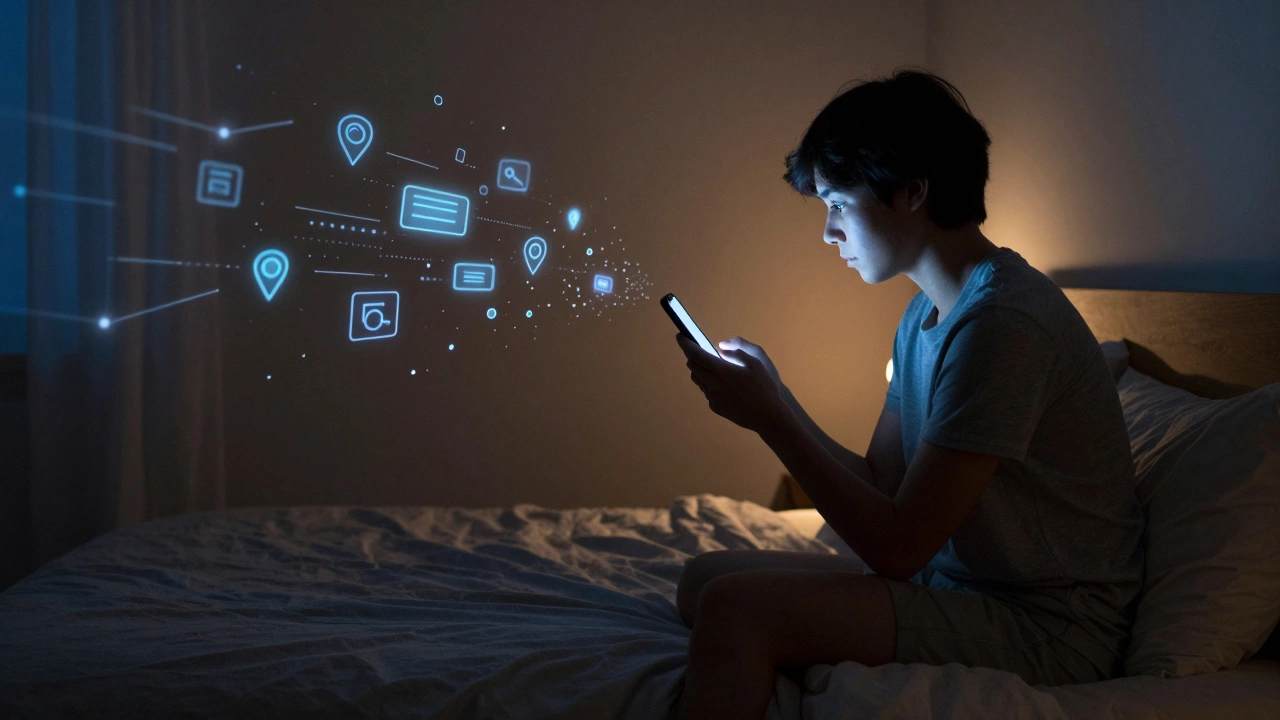
People say, "I don’t care if they watch me-I’ve got nothing to hide." It sounds reasonable. But that logic is like saying, "I don’t need a lock on my door because I don’t steal." Privacy isn’t about having secrets. It’s about control. Who gets to decide what parts of your life are seen, shared, or used? When you give up privacy, you don’t just lose control over your photos or messages-you hand over power to systems that don’t have your best interests at heart.
Some companies sell your browsing habits to advertisers. Others track your location, your spending, even your mood through app usage. And yes, governments monitor communications under the banner of "national security." You might think, "So what? I’m not doing anything wrong." But here’s the thing: the moment you accept that being watched is normal, you start changing how you act. You stop asking uncomfortable questions. You avoid searching for certain topics. You self-censor. That’s not freedom. That’s fear in disguise. And it doesn’t take a criminal to feel the chill. Just ask someone who got flagged by an algorithm for searching "how to leave an abusive relationship" or "symptoms of depression." That’s not a red flag for crime-it’s a red flag for human vulnerability. luxury escort dubai might sound like a world away from your daily life, but the same systems that track your clicks also track who you hire, where you go, and what you pay. No one should have that kind of access without consent.
Privacy Isn’t Just About Secrets-It’s About Autonomy
Think of privacy like the right to close your curtains. You don’t do it because you’re hiding something illegal. You do it because you want to breathe. You want to be alone with your thoughts, your mistakes, your quiet moments. Without that space, you become performative. You start living for the audience. That’s what happens when surveillance becomes routine. People stop being messy, real, or curious. They become predictable. And predictable people are easier to control.
Studies show that when people know they’re being watched-even by a camera that’s turned off-they make different choices. In one experiment, researchers placed a poster of eyes above a coffee station. People paid 2.7 times more when they thought they were being watched. Not because they were more honest. Because they were afraid of being judged. That’s the power of surveillance: it doesn’t need to catch you doing something wrong. It just needs you to believe it might.
Who Benefits When You Give Up Privacy?
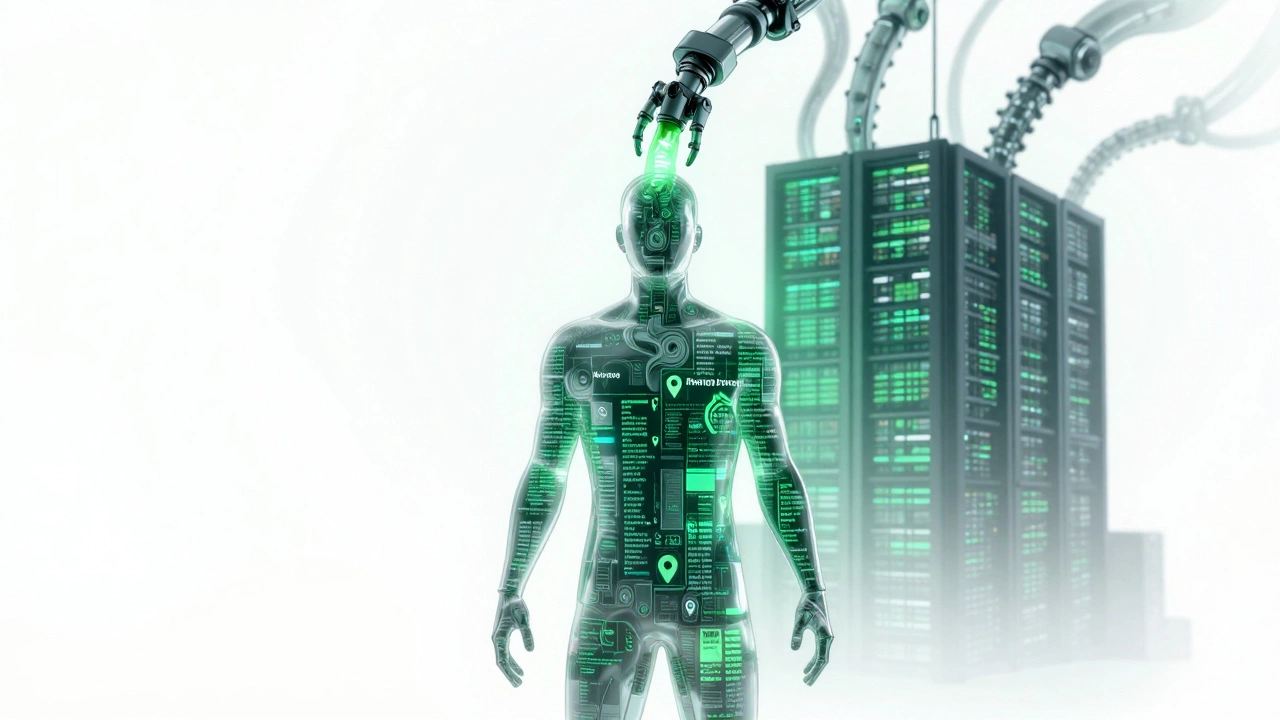
Big tech companies. Data brokers. Governments with weak oversight. These are the ones who profit from your lack of privacy. They collect your data, sell it, and use it to predict-and shape-your behavior. Your search history becomes a product. Your social media likes become a profile. Your purchase history becomes a target list. And none of it is yours anymore.
Take the case of a woman in the U.S. who searched for pregnancy tests online. A few weeks later, her phone started showing ads for baby cribs and formula. She hadn’t told anyone she was pregnant. But the algorithm knew. And it sold that knowledge to advertisers. She didn’t consent. She didn’t even know it was happening. That’s not convenience. That’s exploitation.
And it’s not just ads. Insurance companies use fitness tracker data to raise premiums. Employers screen applicants based on social media posts. Banks deny loans based on unrelated online activity. All of it legal. All of it invisible. All of it built on the idea that if you’re not breaking the law, you have nothing to fear. But what if the law is wrong? What if the system is biased? What if your data gets misused by someone with bad intentions?
Privacy Protects the Vulnerable
People who speak up, who challenge norms, who live differently-those are the ones who suffer most when privacy disappears. Journalists. Activists. LGBTQ+ teens. Abuse survivors. Immigrants. They don’t need secrecy. They need safety. And safety requires space.
In countries with heavy surveillance, whistleblowers vanish. Dissidents are tracked. Minorities are profiled. Even in places that claim to be free, algorithms flag people based on their name, address, or language. A 2023 study found that facial recognition systems misidentify Black women at rates up to 35% higher than white men. That’s not a glitch. That’s bias baked into the code. And when that system is used by police or employers, the consequences are real.
Privacy isn’t a luxury for the rich. It’s a shield for the powerless. When you say, "I have nothing to hide," you’re assuming everyone else is as safe as you are. They’re not.
What Happens When Privacy Vanishes?
Look at China’s Social Credit System. It doesn’t just track your finances. It tracks your friendships, your shopping habits, even your political views. People lose access to jobs, travel, and education based on scores they never asked for. That’s not dystopian fiction. That’s happening now.
Or look at the U.S. where data brokers sell your location history to bounty hunters and divorce lawyers. A woman in Texas was tracked to a domestic violence shelter because her ex paid for her geolocation data. She didn’t know it was possible. She didn’t know she could be hunted.
Privacy isn’t about hiding crime. It’s about preventing abuse. Without it, power concentrates in the hands of those who collect data-not those who live by it.

How to Reclaim Your Privacy (Without Going Off the Grid)
You don’t need to throw away your phone or live in a cabin to protect yourself. Small steps add up:
- Use encrypted messaging apps like Signal-not WhatsApp or iMessage. They don’t sell your chats.
- Turn off location tracking on apps that don’t need it. Your weather app doesn’t need to know where you sleep.
- Use a privacy-focused browser like Brave or Firefox with tracker blocking turned on.
- Opt out of data brokers. Sites like DeleteMe or PrivacyDuck can help remove your info from public databases.
- Read privacy policies. No, seriously. Look for the line that says "we may share your data with third parties." If it’s there, ask yourself: why?
And if you’re still thinking, "I’ve got nothing to hide," ask yourself this: would you let a stranger walk into your home, open your drawers, read your journals, and then sell copies to anyone who pays? If the answer is no, then why are you okay with the same thing happening online?
Privacy Is a Human Right-Not a Feature
The United Nations recognizes privacy as a fundamental human right. So does the European Union’s GDPR. So does the American Civil Liberties Union. It’s not a technical issue. It’s a moral one.
Privacy lets you be human. It lets you change your mind. It lets you grow. It lets you fail without the whole world watching. Without it, you’re not just watched-you’re owned.
Next time someone says, "I’ve got nothing to hide," ask them: Do you really want to live in a world where your choices are predicted before you make them? Where your mistakes are stored forever? Where your silence is interpreted as guilt? Where your identity is a product?
If not, then you’re not protecting secrets. You’re protecting your right to be free.
escort naturale
escort dubay